

China’s Influence in Latin America: Critical Perspectives on Geopolitics and Regional Integration at DPLST–LAC–ABRI 2025
Photo: DPLST–LAC–ABRI 2025.
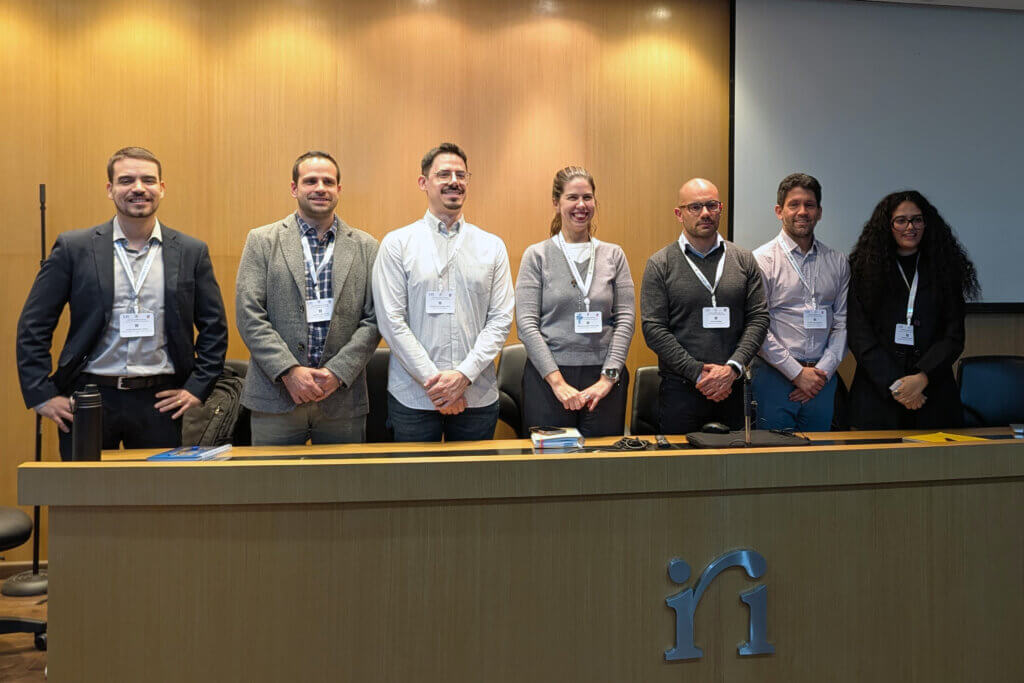
As part of the international DPLST–LAC–ABRI 2025 Conference “Development and Diplomacy in the Global South,” the panel titled “China and the Global South: Geopolitics, Integration, and Economic Strategies in Latin America” was held. Moderated by Parsifal D’Sola Alvarado (Andrés Bello Foundation – China–Latin America Research Center), the panel brought together researchers from Latin America and South Asia to discuss the impacts of China’s growing influence in the region, within an international context shaped by strategic rivalry among global powers.
Strategic rivalry between the United States and China in Latin America and the Caribbean: Economic and geopolitical consequences, and challenges to regional integration
Laerte Apolinário Júnior (Pontifical Catholic University of São Paulo – PUC-SP)
Augusto Leal Rinaldi (Pontifical Catholic University of São Paulo – PUC-SP)
Rodolfo de Camargo Lima (San Sebastián University)
The three speakers offered a comprehensive analysis of how the strategic competition between China and the United States is reshaping Latin America and the Caribbean’s economic, political, and diplomatic landscape. Through a regional lens, they examined the effects of this rivalry on trade flows, foreign investment trends, bilateral agreements, and the behavior of Latin American countries in multilateral forums.
The panel emphasized that—with the exception of Mexico—China has been displacing the U.S. as the region’s main trading partner, while the United States retains its dominance in key investment sectors such as services and finance. This dual dynamic creates structural tensions that influence foreign and economic policy decisions across the region.
Speakers agreed that the weakness of regional integration mechanisms has led to Latin America’s engagement with China being mostly bilateral, lacking coordinated strategies or shared regulatory frameworks. This has exacerbated asymmetries in international relations and limited the region’s negotiating power.
The discussion highlighted the need to strengthen the institutional, technical, and strategic capacities of Latin American states so they can position themselves more autonomously in a global environment defined by increasing competition. As a result, the panel called for a reevaluation of integration and development paradigms through a lens of sovereignty, regional planning, and sustainability.
Environmental, Social, and Governance (ESG) regulations in China’s investments in Latin America amid the transition minerals boom: The case of Colombia
Camilo Defelipe (Pontificia Universidad Javeriana)
Camilo Defelipe presented a case study on Chinese investment in Colombia’s mining sector, focusing on the Zijin-Continental Gold and Cordoba Minerals projects. He analyzed the implementation of ESG standards in areas characterized by limited state presence and high levels of conflict.
According to Defelipe, Chinese companies often assume roles similar to government institutions, including negotiating directly with local communities or armed groups. This raises major concerns regarding institutional sovereignty and the rights of affected populations. He proposed that Latin America must strengthen its environmental and social governance frameworks to ensure that the benefits of foreign investment do not come at the expense of democratic standards or long-term sustainability.
Beyond Politics: Paraguay’s Economic Relations with the People’s Republic of China (2013–2023)
María Antonella Cabral López (National University of Asunción)
María Antonella Cabral analyzed the evolution of trade between Paraguay and China within the framework of Paraguay’s foreign policy, which has maintained diplomatic ties with Taiwan. Despite the lack of formal relations with Beijing, trade between the two countries has grown significantly through triangulation with third parties, particularly Brazil and Argentina.
Cabral explained how private sector actors are beginning to pressure the government to revise its stance, motivated by the opportunities that would come with direct relations with China. Her work illustrates how market dynamics can progress in the absence of formal diplomatic ties, while also exposing the limits of such arrangements for developing more comprehensive and strategic partnerships.
China in South Asia and South America: Connections, Intersections, and Similarities
Nivedita Chahar (Jawaharlal Nehru University, New Delhi)
Nivedita Chahar presented a comparative perspective on China’s presence in South Asia and Latin America. Through a detailed analysis, she identified points of convergence and divergence in how China engages each region. Using a network governance approach, she argued that while the South–South cooperation discourse is consistent across both regions, actual practices vary significantly depending on each country’s political, institutional, and regulatory context.
Chahar emphasized specific concerns emerging in Latin America’s case, given its fragmented regional landscape, weak regulatory systems, and dependence on raw material exports. These factors, she argued, create unique vulnerabilities to external powers. In contrast, some South Asian countries have developed more consistent regulatory and planning frameworks in their relations with China, though they too face distinct geopolitical tensions.
She called for strengthening comparative analysis across Global South regions to promote mutual learning and enhance Latin America’s capacity to negotiate and adapt in its relationships with extraregional partners. Chahar concluded that building a more balanced relationship with China requires not only regional coordination but also sustained investment in knowledge, technical diplomacy, and training of specialists in political and economic relations with Asia.
Conclusion
The panel concluded with a unified recommendation to strengthen regional capacities for analysis, negotiation, and advocacy in response to China’s growing influence—within an international context marked by geopolitical tensions, structural challenges, and global realignment. Participants agreed that the key to a more balanced relationship with China lies in the development of local expertise, diversification of strategic partnerships, and the implementation of public policies grounded in sustainability and regional sovereignty.
About the panelists
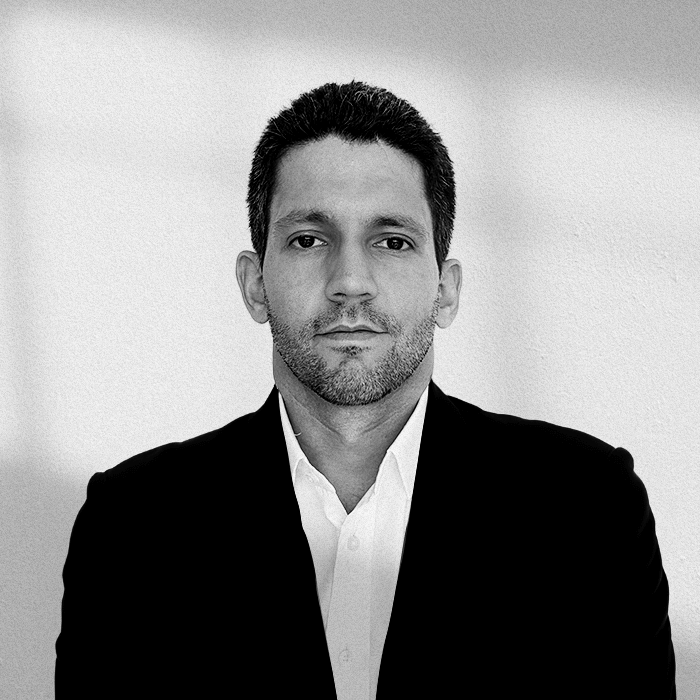
Parsifal D’Sola Alvarado
Andrés Bello Foundation – China–Latin America Research Center
Founder and Executive Director of the Andrés Bello Foundation. He is a foreign policy analyst specialized in China–Latin America relations, with a focus on Venezuela, and a non-resident senior fellow at the Atlantic Council’s Global China Hub. In 2019, he served as a foreign policy advisor on China for Venezuela’s interim government. From 2008 to 2016, he lived in Beijing, where he worked as a journalist and researcher. He holds a degree in Telecommunications Engineering and two master’s degrees (from Columbia University and SOAS, University of London), as well as an advanced language diploma from Beijing Language and Culture University.
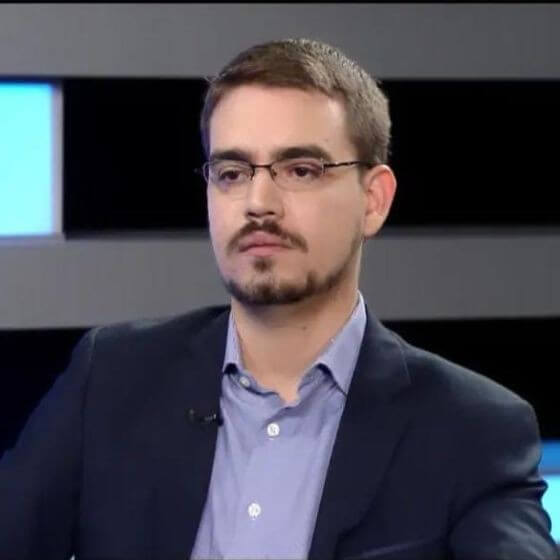
Laerte Apolinário Júnior
Pontifical Catholic University of São Paulo (PUC-SP)
Professor of International Relations at the Pontifical Catholic University of São Paulo (PUC-SP) and its Graduate Program in Global Governance and International Policy. He is a researcher at CEBRAP, CAENI-USP, NERI-PUC-SP, and an associate at the José Luiz Egydio Setúbal Foundation. He completed a postdoctoral fellowship at IPP/CEBRAP. He holds a PhD and a Master’s in Political Science from the University of São Paulo (USP), and a BA in International Relations from UNESP. His research interests include international political economy, development cooperation, global governance, and emerging powers. His recent publications address health cooperation, development banks, economic sanctions, and human rights.
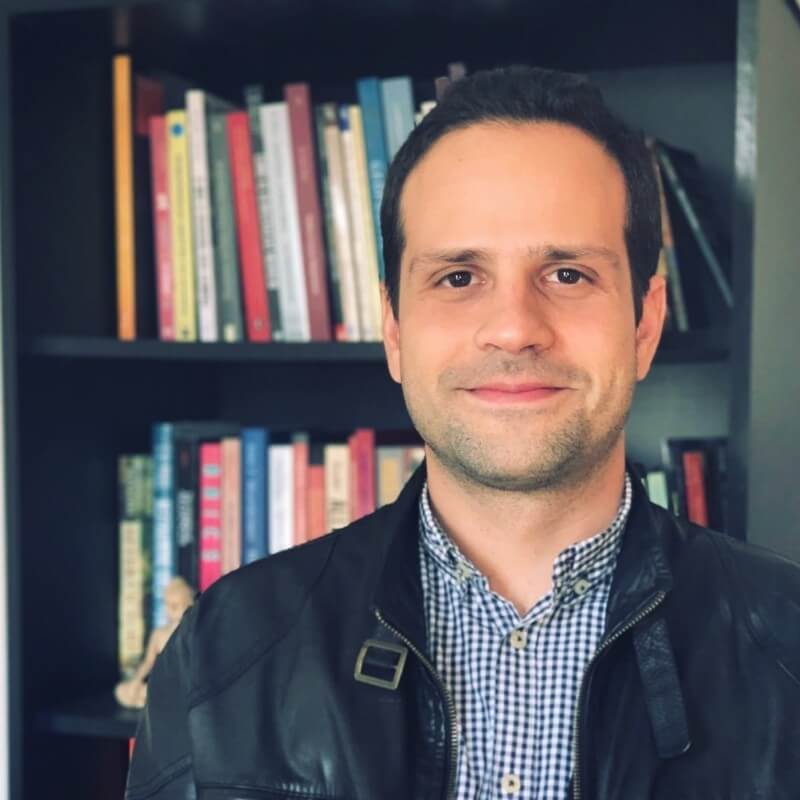
Augusto Leal Rinaldi
Pontifical Catholic University of São Paulo (PUC-SP)
PhD in Political Science from the University of São Paulo (USP). He is a professor of International Relations at PUC-SP and the Belas Artes University Center, and a research professor in the Public Policy Program at the University of Mogi das Cruzes. He is a member of INCT-INEU and the Asia Studies Group (GEASIA-NUPRI), as well as the PUC-SP International Relations Research Center (NERI). In 2019, he was a Visiting PhD Researcher at the GIGA Institute (Germany). He is the author of “BRICS in Contemporary International Relations” and his research focuses on emerging powers, global power shifts, Brazilian and Chinese foreign policy, and vaccine diplomacy.

Rodolfo de Camargo Lima
San Sebastián University
PhD and Master’s in Political Science from the University of São Paulo (USP), and BA in International Relations from the Pontifical Catholic University of São Paulo (PUC-SP). He is currently an Assistant Professor at the Faculty of Economics and Government at San Sebastián University. Previously, he served for five years as an Assistant Professor of Political Science at the Catholic University of Temuco.

Camilo Defelipe
Pontificia Universidad Javeriana
Professor of International Relations at the Faculty of Political Science at Pontificia Universidad Javeriana in Bogotá. He holds a PhD from East China Normal University and two master’s degrees: one in International Trade from the University of Barcelona and another in Contemporary International Politics with a focus on China from Jilin University. His research focuses on the discursive construction of the Belt and Road Initiative in Latin America and China’s role in Colombia’s energy transition.

María Antonella Cabral López
National University of Asunción
Economist from the National University of Asunción (UNA). She holds a Master’s degree in International Relations and is a PhD candidate in the same field at the National University of La Plata (Argentina). Currently, she is a university professor and researcher. She is a Level I Researcher in Paraguay’s National Program for the Promotion of Researchers (PRONII-CONACYT).