Photo: Unsplash.
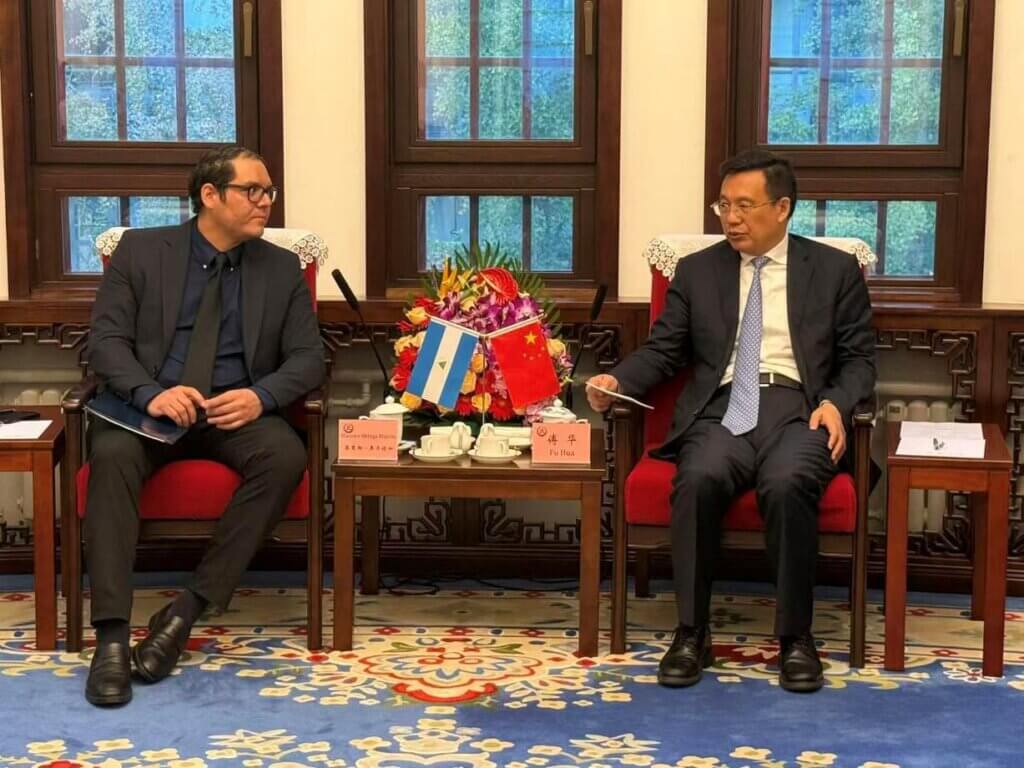
According to an article by the outlet El Deber, within the framework of the China-CELAC Forum, Bolivian Foreign Minister Celinda Sosa and Sun Meijun, Minister and Communist Party Secretary of the General Administration of Customs of China, signed a bilateral agreement that will allow Bolivia to export unprocessed bovine leather to China.
With the signing of this export protocol, the South American country achieves a diversification of markets for its unprocessed bovine leather, enabling it to meet a new demand estimated at 1.8 million tons per year, corresponding to the consumption of the People's Republic of China.
According to a statement from the Ministry of Foreign Affairs of Bolivia, this agreement will contribute to the development of the country's bovine leather export sectors, which currently reach a value of 12.5 million dollars annually through the export of 22,000 tons of this product.
Exports are expected to increase significantly with the Chinese demand, as unprocessed bovine leather is used in the textile industry of the Asian country, mainly for the manufacture of footwear, leather goods, and upholstery.
Specifically, Bolivia’s Foreign Minister Celinda Sosa stated that “Bolivia has demonstrated technical capacity and strict compliance with Chinese requirements.” She also highlighted the joint efforts of the private export sector, the National Service of Agricultural Health and Food Safety (Senasag), and the Ministry of Rural Development.
It is worth highlighting that this agreement is not the first between the two nations. Over the past few years, they have signed several trade agreements and export protocols, such as those for quinoa and sesame, as well as for lithium and strategic minerals. Through these, Chinese companies have entered into partnerships with the Bolivian state-owned company responsible for the extraction and industrialization of these mineral resources, “Yacimientos de Litio Bolivianos” (YLB), to advance the industrialization of Bolivian lithium. Also notable is the protocol on beef, after which Bolivia began exporting this product once it met the sanitary requirements of the Chinese market.
The signing of this new protocol for the export of bovine leather is part of Bolivia’s governmental policy aimed at supporting the tanning industry and livestock sectors, both of which have been affected by low regional demand.
Therefore, this agreement with the People's Republic of China, through the newly established protocol, complements the existing exports of tanned leather from the Plurinational State of Bolivia.
Last but not least, it is important to highlight that this agreement opens the possibility for the Asian country to invest in infrastructure projects that streamline the logistics chain of this product, which could generate new jobs in Bolivia and increase foreign currency inflows for the Latin American nation.
Main Source:
Exportar a China: Bolivia firma acuerdo clave para vender cuero bovino sin valor agregado – El Deber
Related News:
Bolivia establishes steel plant, with Chinese financing
You may be interested in:
Plan del gobierno de Bolivia para explotar litio con firmas china y rusa genera un baño de silbidos – AP News