
Challenges for the Future of China–Latin America Relations
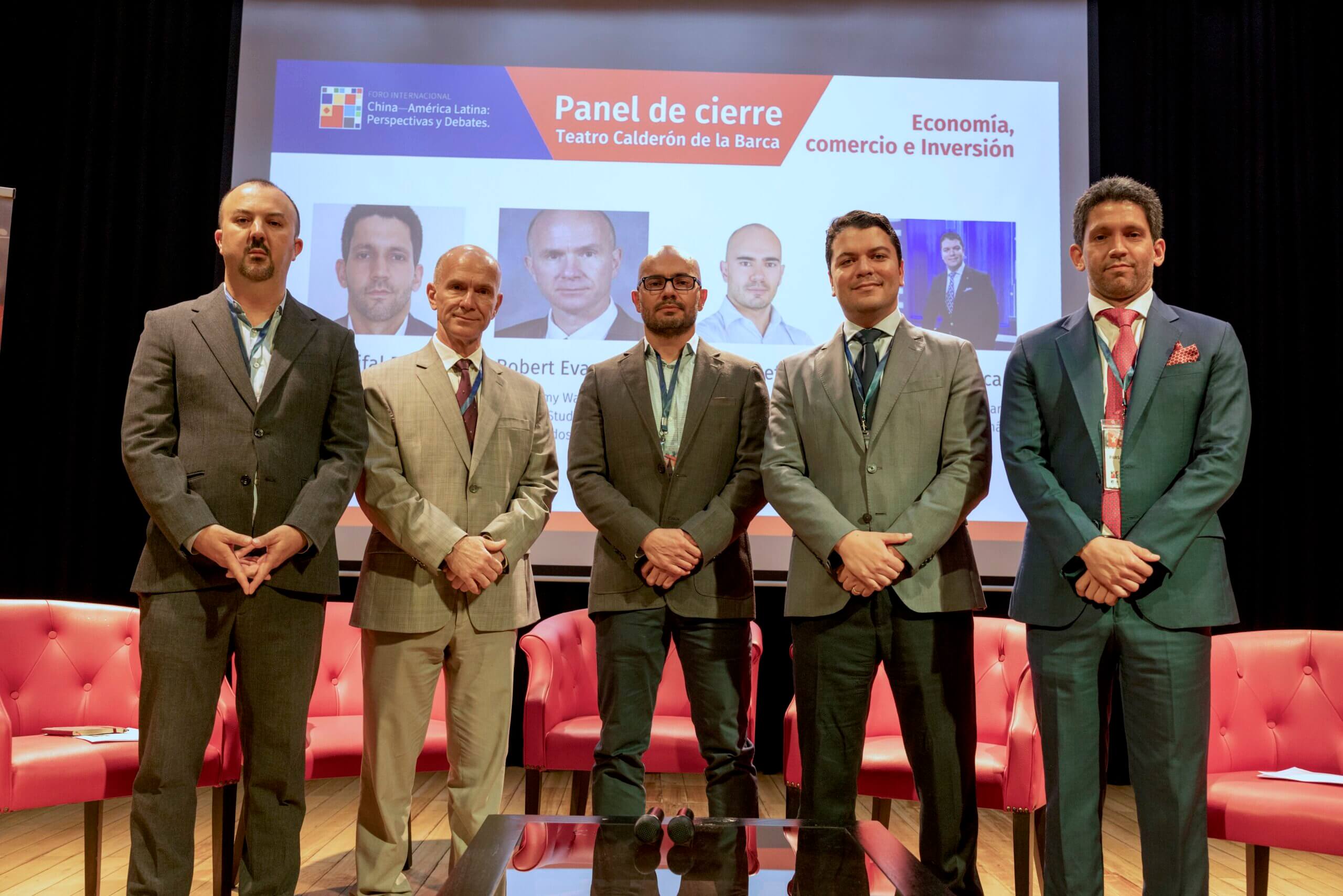
The closing panel of the China–Latin America International Forum: Perspectives and Debates addressed the main challenges facing the relationship between China and the Latin American region in the current geopolitical context. The panel featured Camilo Defelipe (Pontificia Universidad Javeriana), Evan Ellis (U.S. Army War College), Alonso Illueca (Universidad de Panamá / Universidad del Istmo), and Parsifal D’Sola (Fundación Andrés Bello). The presentations focused on issues such as mining investments, strategic implications, regional order revisionism, and tensions in the academic sphere.
Camilo Defelipe – Pontificia Universidad Javeriana (Colombia)
In his presentation titled “Chinese Investments in Colombia’s Mining Sector: State Absence, Para-State Dynamics, and Social Conflict,” Professor Camilo Defelipe argued that Latin America is becoming a key arena for competition over strategic minerals for China’s economy. In the case of Colombia, he highlighted the country’s high mining potential and market-oriented legal structure, while also noting the absence of a consolidated mining sector and weak institutional framework.
Defelipe emphasized the absence of the state in vast areas of the country, which has led to social fragmentation, territorial inequalities, and growing distrust in institutions. This void, he explained, has opened the door to para-state dynamics, in which illegal armed groups assume governance roles. In this context, he stressed the importance of avoiding “hard landings” in extractive projects—such as the Buriticá mine (Antioquia), operated by Zijin Continental Gold—and instead proposed “soft landings” with a territorial approach.
Evan Ellis – U.S. Army War College (United States)
Professor Ellis presented his talk “Strategic Implications of China’s Advance in Latin America for the U.S. and the Region.” He stated that trade and infrastructure have been the most significant components of China–Latin America relations over the past two decades. He highlighted China’s influence at interstate, subnational, and multilateral levels through regional sister city partnerships, participation in the OAS, and mechanisms like the China–CELAC Forum.
Ellis also addressed security and defense aspects, noting the training of Latin American military personnel in China and the sale of military equipment. He warned of predatory practices by certain Chinese companies, as well as the lack of reciprocity in free trade agreements. Finally, he emphasized the risks posed by China’s growing presence in infrastructure, technology, and ports—such as Chancay—in the event of a global conflict.
Alonso Illueca – Universidad del Istmo / Universidad de Panamá (Panama)
In his presentation “Revisionism of the American Regional Order and the Central American Subregional Order,” Illueca argued that China seeks to redefine traditional regional norms through mechanisms like CELAC. He questioned CELAC’s legitimacy due to its lack of institutional structure and the exclusion of actors such as the United States and Canada.
Illueca warned that the People’s Republic of China promotes a permissive alternative order that tolerates authoritarianism and undermines the inter-American system represented by the OAS. He pointed to the One China principle as a form of diplomatic pressure on countries in the region and called for rejecting a zero-sum relationship disguised as a “win-win” cooperation model.
Parsifal D’Sola – Fundación Andrés Bello (Colombia)
The director of Fundación Andrés Bello presented his talk “China’s Growing Role in Latin American Academia.” He offered a critical reflection on China’s expanding influence in Latin American universities, research centers, and academic networks. While acknowledging the benefits of these ties, he warned of instances of diplomatic pressure, self-censorship, and the erosion of institutional autonomy.
D’Sola raised concerns about the risk of unbalanced academic relations dominated by the official Chinese narrative. He argued that academic freedom should not be subordinated to geopolitical interests and criticized the double standard that allows criticism of democratic powers while silencing voices critical of the Chinese government. He called for building a mature relationship with China—one based on the ability to speak uncomfortable truths without sacrificing intellectual integrity.
Panelists:
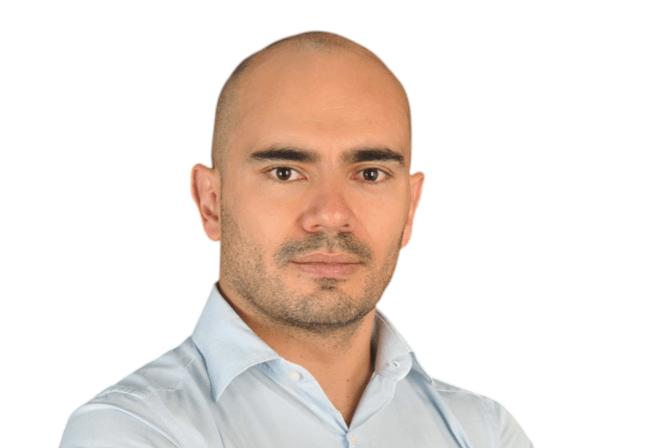
Camilo Defelipe
Pontificia Universidad Javeriana
Country: Colombia
Presentation: Chinese investments in Colombia’s mining sector: state absence, para-state dynamics, and social conflict

Robert Evan Ellis
Institute for Strategic Studies, U.S. Army War College
Country: United States
Presentation: Strategic implications of China’s advance in Latin America for the U.S. and the region
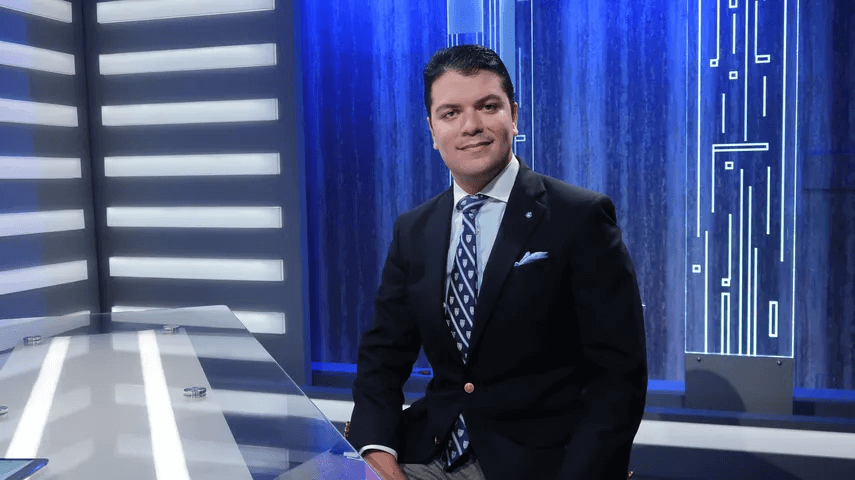
Alonso Illueca
Universidad Santa María La Antigua
Country: Panama
Presentation: Revisionism of the American regional order and the Central American subregional order
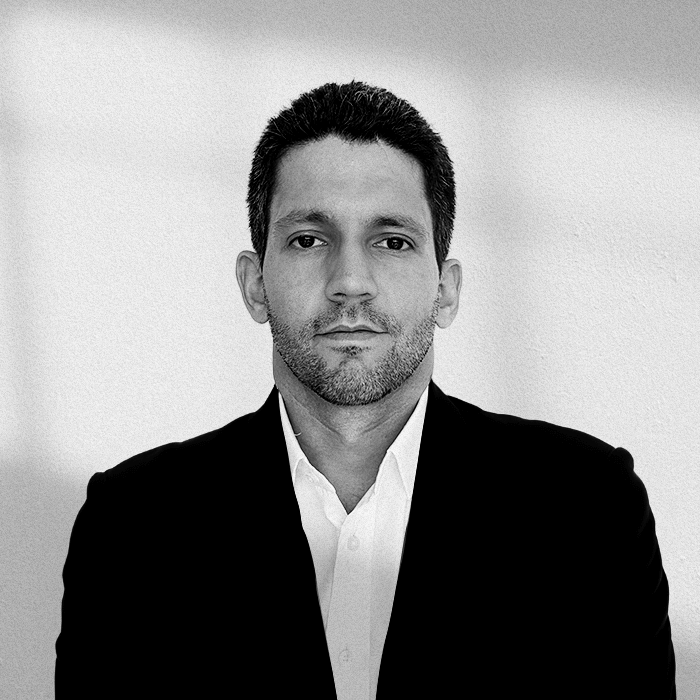
Parsifal D’Sola Alvarado
Fundación Andrés Bello – China–Latin America Research Center
Country: Colombia
Presentation: China’s growing role in Latin American academia