Photo: Ministério de Minas e Energia.
Brazil is taking another step to strengthen its clean energy and electric mobility agenda by entering negotiations with Contemporary Amperex Technology Limited (CATL), the world’s largest manufacturer of electric vehicle batteries. CATL currently controls around 39% of the global EV battery market and 37% of the energy storage systems sector, making it a key player in the energy transition worldwide.
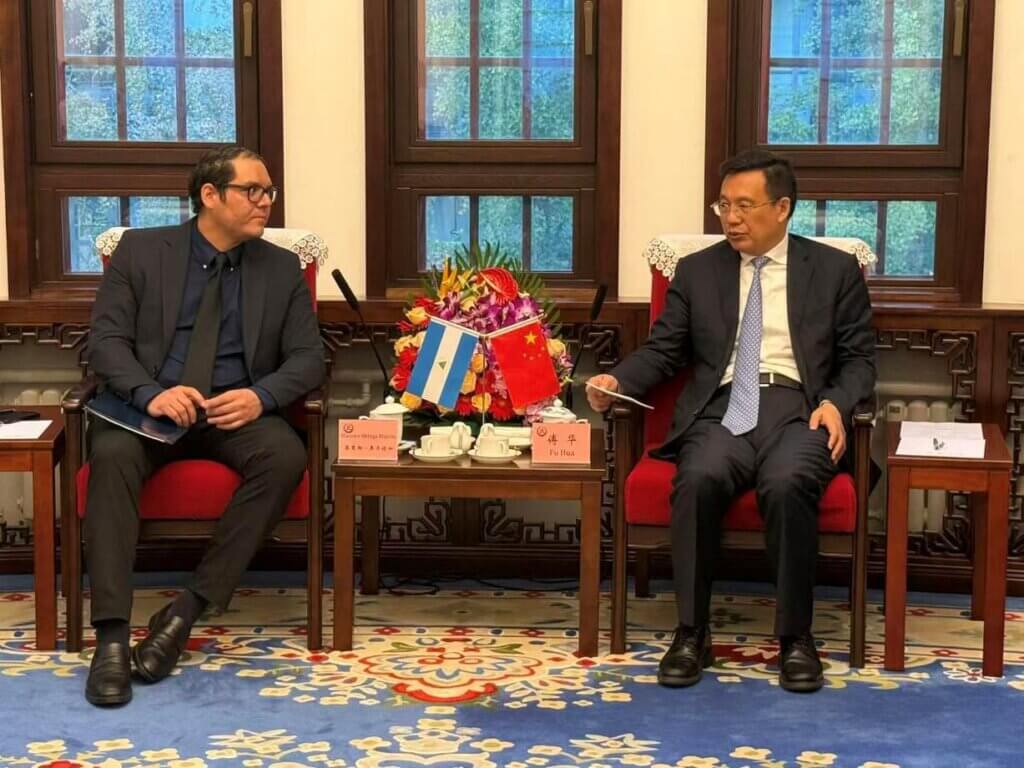
The meeting, held in Brasília, brought together Brazil’s Minister of Mines and Energy, Alexandre Silveira, and a delegation of CATL executives. According to the Ministry, the talks focused on exploring opportunities for CATL to establish operations in Brazil aimed at expanding domestic battery production capacity and supporting the country’s transition to electric mobility and renewable energy.
Minister Silveira underscored the significance of the talks, noting that they reflect the international private sector’s confidence in Brazil’s energy sector. “We want to turn our leadership in clean energy into jobs, income, and innovation,” he stated, pointing to Brazil’s abundant natural resources and industrial potential as a foundation for new investments.
Although no concrete agreements were announced, the Brazilian government emphasized that its objective is to attract cutting-edge investments that integrate environmental sustainability with advanced technology and job creation. The potential entry of CATL into Brazil would not only bolster the domestic value chain of electric mobility but also position the country as a strategic hub for battery production in Latin America.
* Original text in Spanish. Translated by Large Language Model (LLM) technology.
Main Source:
El Gobierno de Brasil negocia con la china CATL para impulsar la producción de baterías en el país – Infobae
Related News:
Chinese automaker Great Wall Motor opens factory in Brazil with multimillion-dollar investment
Brazil says China won’t immediately replace U.S. coffee market lost to tariffs